Built on WIX Headless
Get started
Free course · 18 steps · self-paced

Before you choose your maize seed.

A seed choice is a decision about your whole season. Start with the realities of your farm, then compare varieties with Intaba’s team.

Join this course to save your progress.

It is free. Signing in also opens the Intaba Growers community, where you can ask the questions the course raises.

Sign in and join
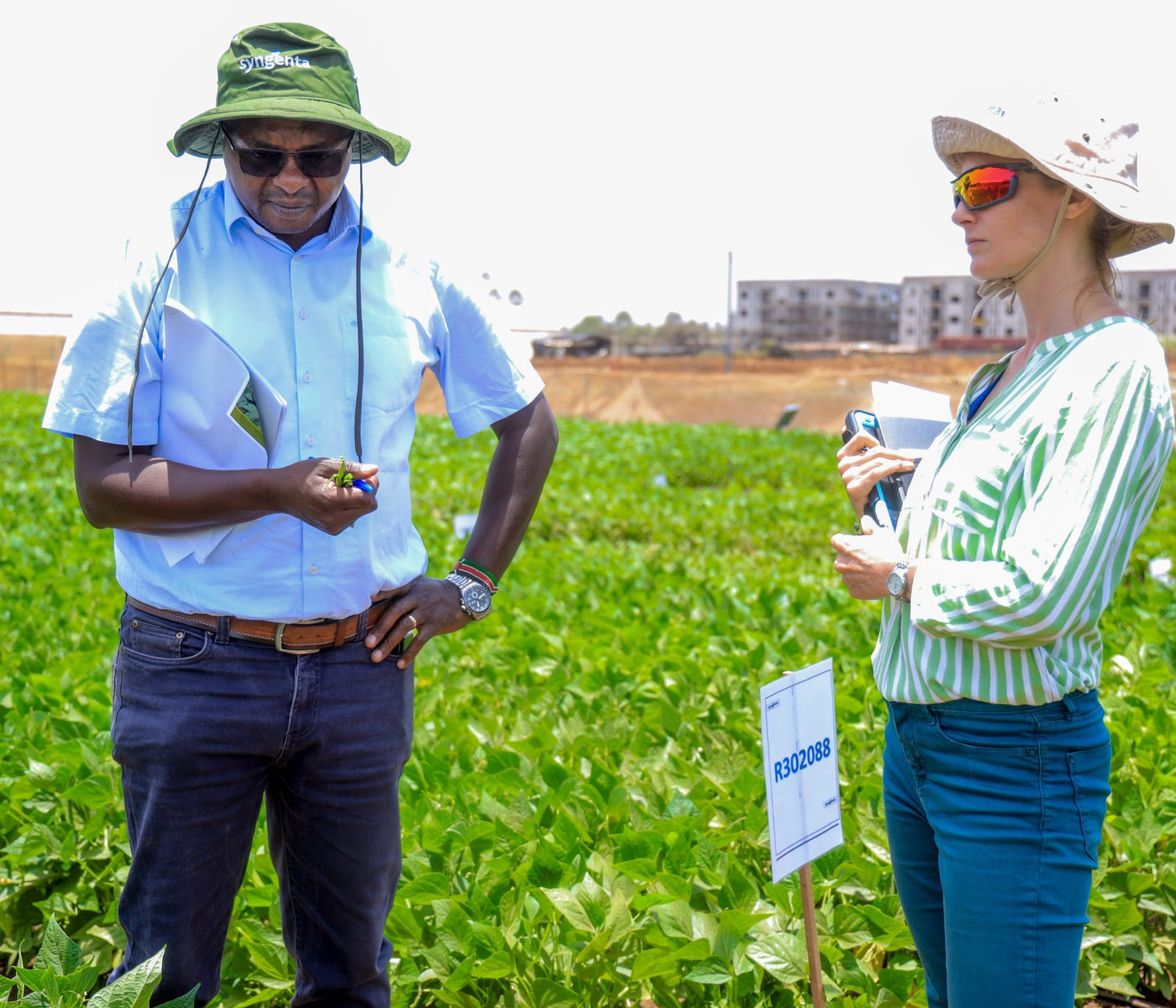
An agronomist talking a grower through a variety trial
Photo: Syngenta
Section 1 of 4

Season planning

Start with your location and water supply.

Tell the team your district, nearest town and whether you rely on rainfall, irrigation or a combination. Share any recent soil test results you have. These details make the conversation more useful than choosing on a variety name alone.

Bring your intended planting window.

Compare the ultra early, early, medium and late options in the range with your planned season. Ask the agronomist to explain how the options fit your circumstances; a maturity category alone is not a planting recommendation.

Know the area you intend to plant.

Bring your field area and the production plan you are working towards. Ask Intaba to confirm the seed quantity and available pack sizes for your order.

Plan the rest of your inputs together.

Discuss your soil, crop nutrition, weed management and crop protection plan with the team. Keep your input budget and practical capacity in view when comparing options.

Confirm the quotation before you commit.

Ask for current Intaba prices, available packs and collection or delivery arrangements. Your product shortlist helps start this conversation; it does not reserve stock.

Section 2 of 4

What to have ready

Write down where you farm

Your district, your nearest town and the altitude if you know it. Two farms in the same province can need different answers, so the location is where every useful variety conversation starts.

Be honest about your water

Rainfall only, irrigation, or a combination. If you irrigate, note what you can actually deliver in a dry week rather than the system's rating. If you rely on rain, note when your rains usually arrive and how reliable the last three seasons were.

Measure the area you will plant

Hectares or acres, and whether it is one block or several. Bring the number you will actually plant, not the number you hope to. Seed quantity, pack size and price all follow from this figure.

Gather any soil information you have

A recent soil test is ideal. If you do not have one, note what you know: soil type, how it drains after heavy rain, and what you grew on that land the last two seasons. Previous cropping matters more than most farmers expect.

Know your budget and your capacity

What you can spend on seed, and separately what you can spend on the rest of the programme. Also note your labour and equipment for planting and weeding. A plan your farm cannot execute is not a plan.

Section 3 of 4

Questions worth asking

Ask what a maturity class actually means for you

Ultra early, early, medium and late describe how long a variety takes, not whether it suits your farm. Ask the agronomist to translate the class into your planting window, your rainfall pattern and your harvest plans. A maturity class on its own is never a planting recommendation.

Ask about seed treatment

Ask what the seed comes treated with, what that treatment covers and what it does not. Ask what handling and storage the treatment requires, and what it means for anyone handling the seed.

Ask about pack sizes and quantity

Ask which pack sizes are available for the variety you are considering and how they map onto your area. Ask what happens to part-used packs, and confirm the quantity in writing before you order.

Ask what could go wrong

Ask which risks the team sees most often in your district, and what a grower can do about them. A good agronomist will tell you what a variety does not handle well, not only what it does.

Ask what to record this season

Agree what you will write down: planting date, plant population, rainfall, what you applied and when, and what you harvested. Next season's conversation is only as good as this season's records.

Section 4 of 4

Turning it into an order

Build a shortlist, not a decision

Use the product catalogue to gather two or three options rather than picking one. A shortlist gives the agronomy conversation something concrete to work with, and it does not commit you or reserve stock.

Ask for a written quotation

Ask Intaba to confirm current prices, available pack sizes, and collection or delivery arrangements in writing. Prices shown on a website are for reference; the quotation is the number that counts.

Confirm before you commit

Check the variety name, the pack size, the quantity and the total against your own figures before you pay. Confirm lead time and how you will collect or receive the seed.

Finished the course?
Put it to work.

Bring what you have written down to a conversation with our team. That is what turns a course into a season plan.

Providing integrated crop solutions

Good things grow together.

Growers, stockists, brands and partners: one Intaba account connects you with the people and services behind every season.

Get started

How do you work with Intaba?

Choose the closest fit. Accounts are free, and you can change this later.

I work with Intaba as

Already have an Intaba account?